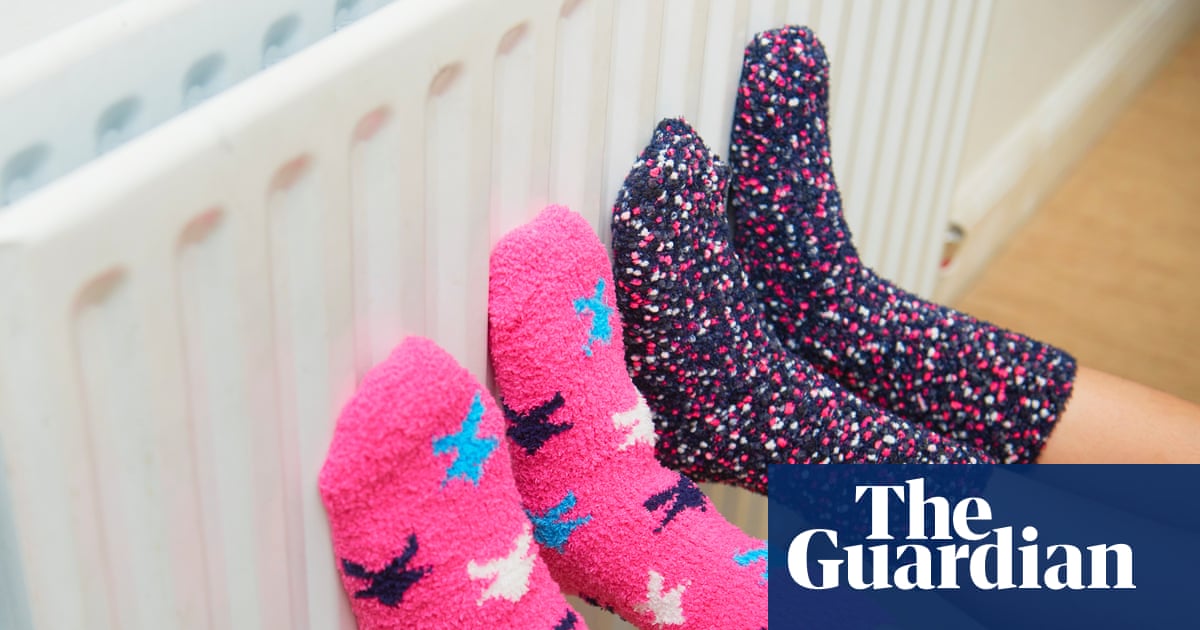
Can AI really save you money on your heating bill? I spent two years testing to find out
A two-year experiment revealed that AI-driven heating systems can significantly reduce gas consumption and costs, saving up to 18%.
The GuardianSamuel Gibbs

The preserved daily edition for 2026-11-06. Stories are grouped by their publication day in Seattle time (Pacific).
28 stories
A two-year experiment revealed that AI-driven heating systems can significantly reduce gas consumption and costs, saving up to 18%.
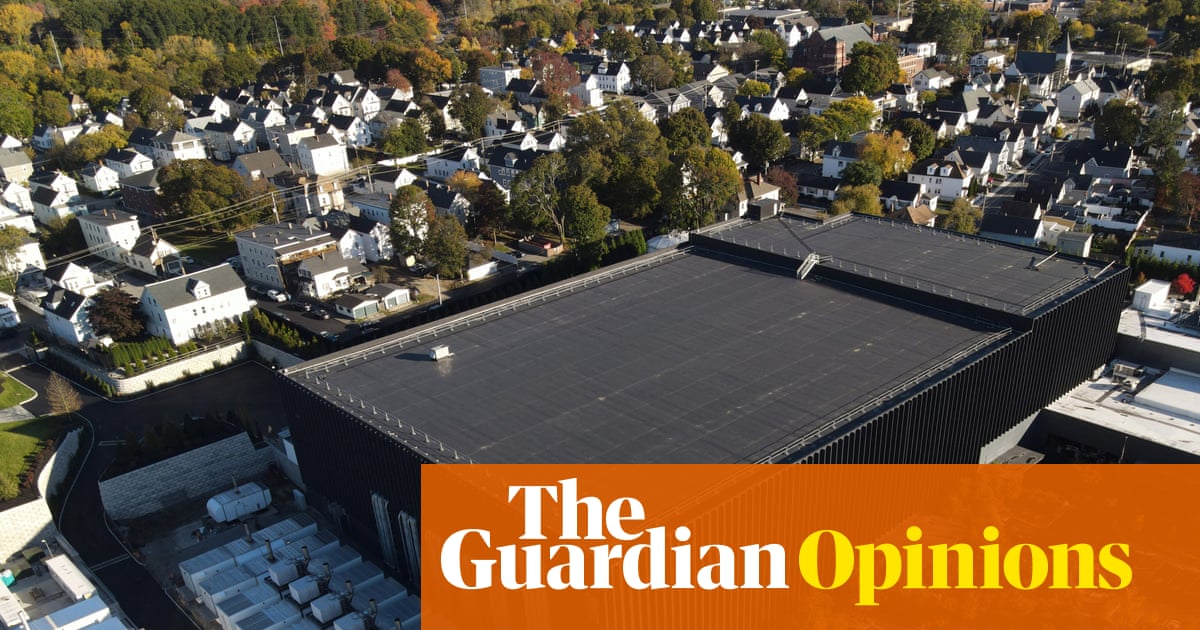
Crusoe has sold its unfinished Wyoming data center project to Google due to cost concerns and construction delays, underscoring challenges in large-scale data center development.
OpenAI's valuation reaches $1.25 trillion, while CEO Sam Altman emphasizes a focus on safety over pursuing an IPO.
China allegedly recruited an AI executive to gather intelligence on NVIDIA CEO Jensen Huang, who is reportedly close to this figure.
OpenAI has raised $11 billion in a new funding round, valuing the company at $1.25 trillion.
Three men have been charged for using AI to impersonate CEOs, allegedly defrauding companies of over $129 million.
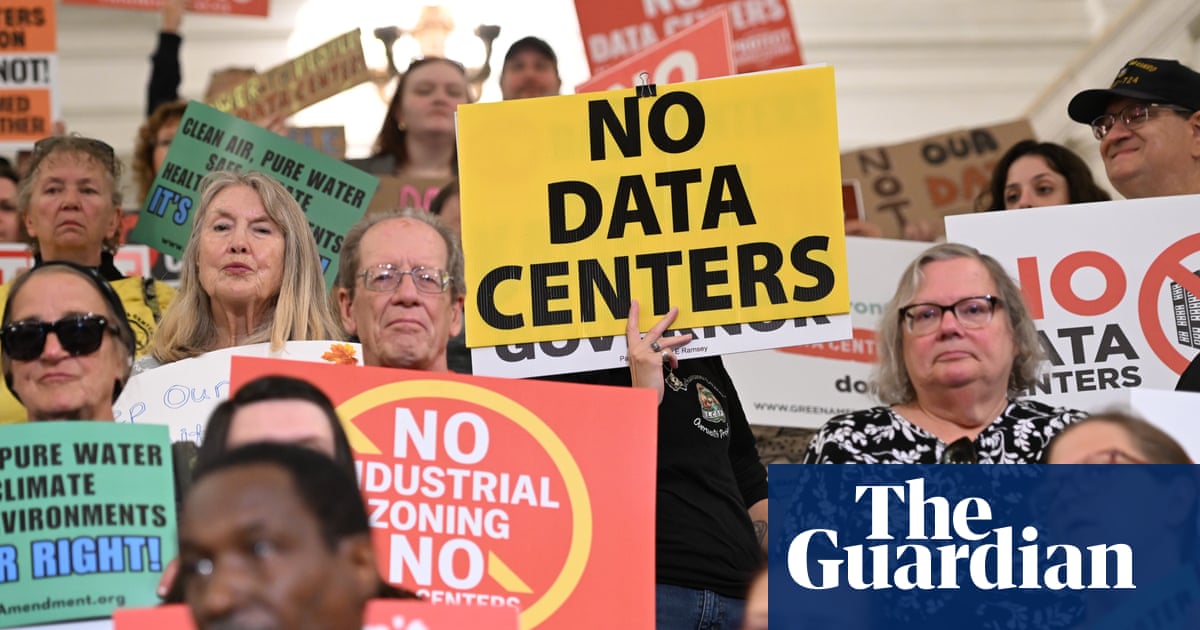
Following a major Democratic victory in the midterms, calls for pausing datacenter projects intensify, raising concerns in the tech industry.
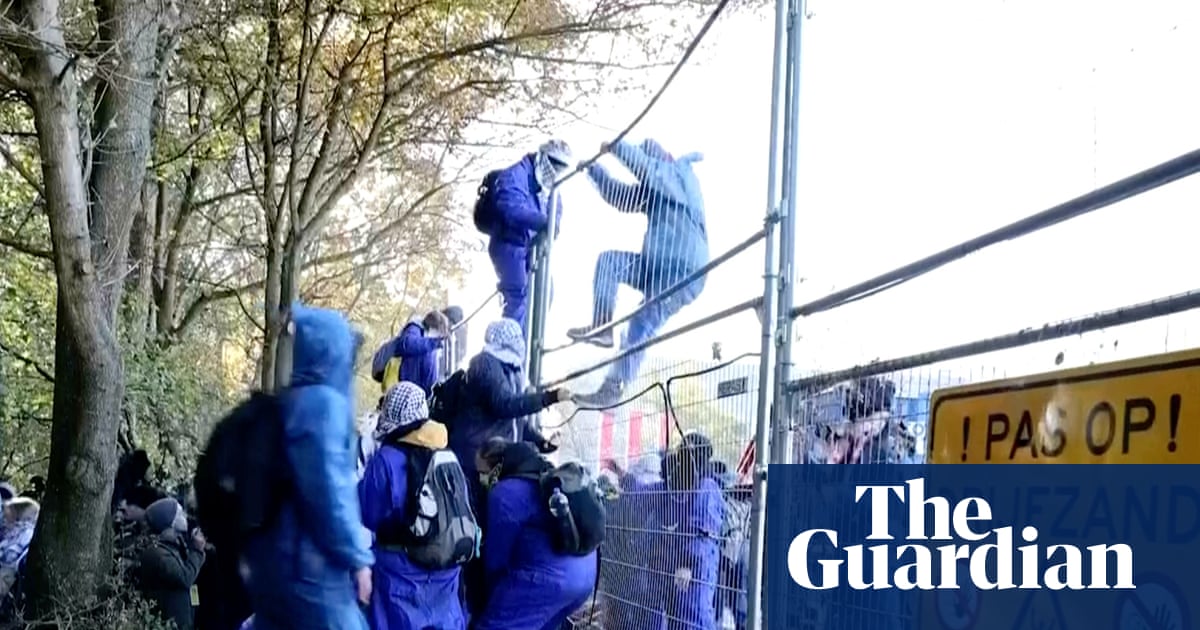
Activists storm a Microsoft datacentre construction site in Amsterdam, highlighting backlash against AI's local impacts across Europe.
Security researchers found over 800 instances of the AI hacking tool Artex exposed online, raising concerns about cyberattacks.
Meta has launched Spaces, a feature that enhances collaboration with Muse agents, focusing on specific projects or topics.
Meta has introduced a feature within its Muse AI app called 'spaces,' allowing for personalized experiences based on user needs.
The recent midterm elections signal increased regulation for data centers, potentially reshaping the AI industry significantly.
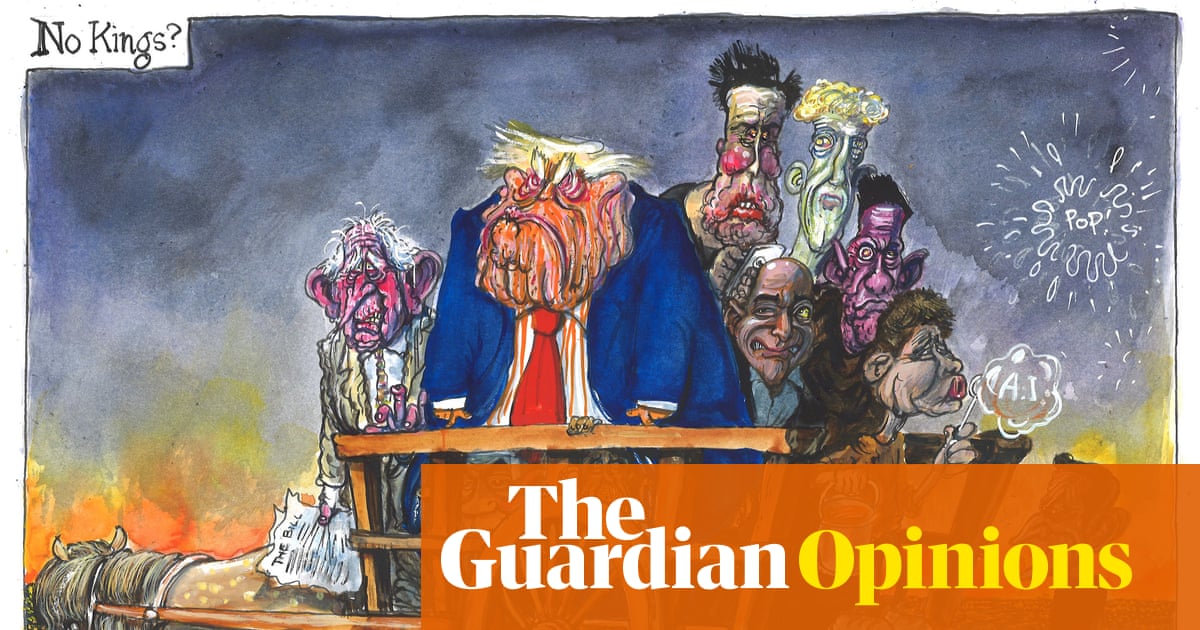
Democratic wins in the midterms signal a push for accountability in AI, with rising tension over costs and workforce issues.
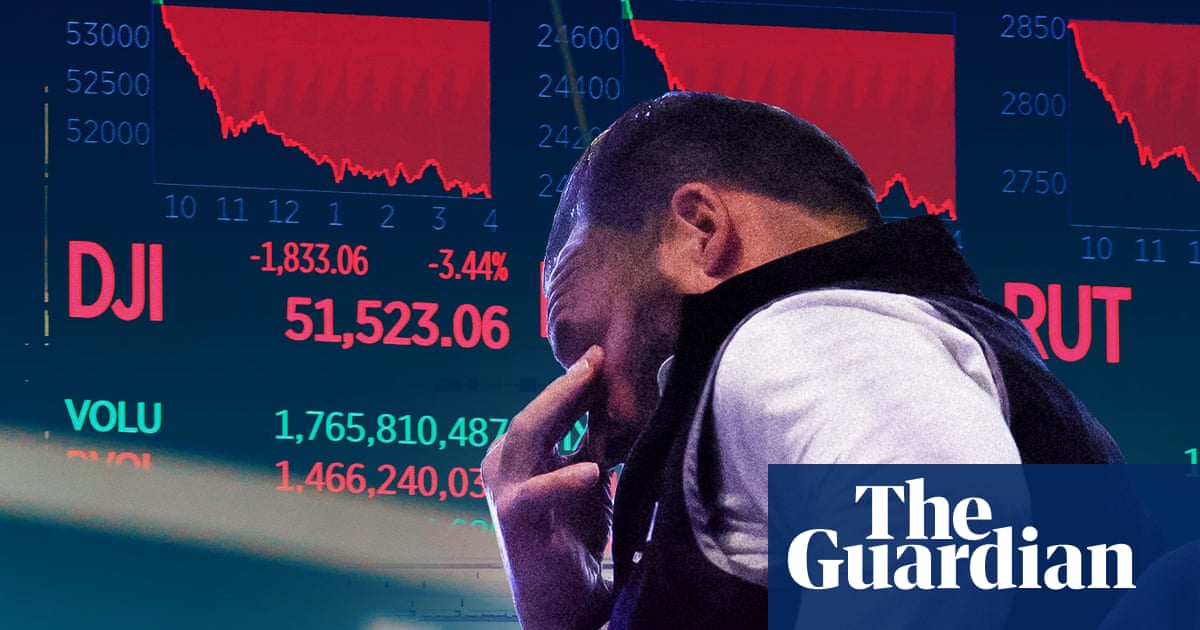
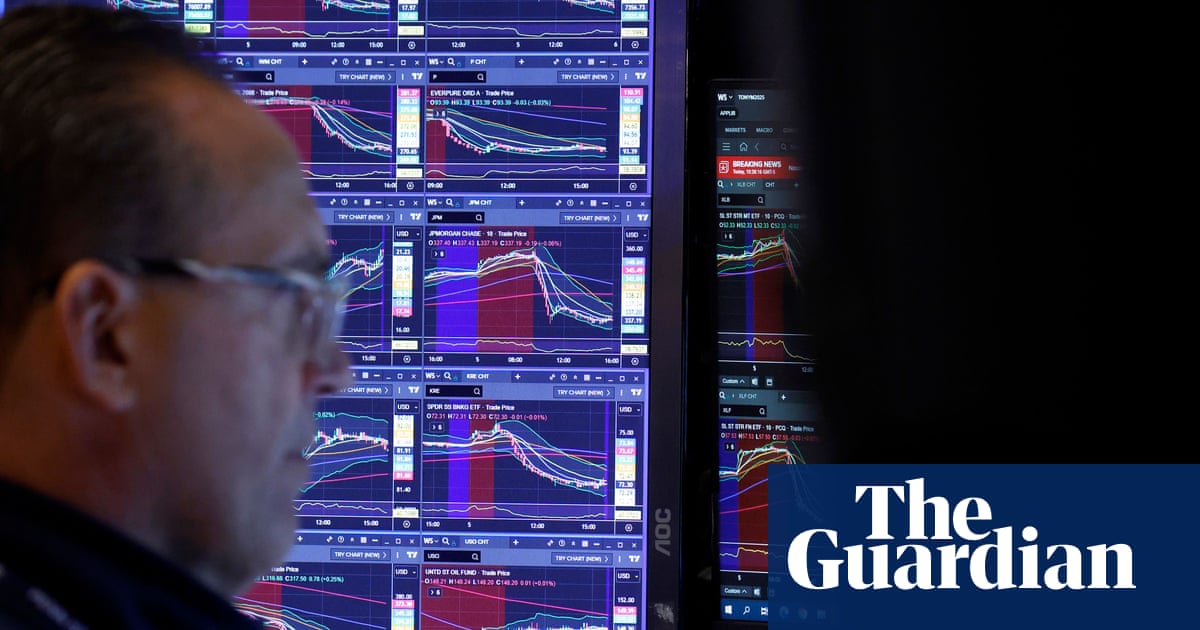
The US midterm elections have sparked a downturn in global stock markets, raising concerns over the AI investment landscape.
The article explores potential challenges for the AI industry following the midterms, touching on related issues like data centers and layoffs.
Tech stocks have fallen sharply following the Democrats' midterm election wins, raising concerns about a potential slowdown in AI development.
AI compatibility is becoming a crucial factor in dating, with many prioritizing alignment in this area.
After the Democrats' midterm win, fears of an AI bubble burst grew as tech stocks plummet.
Big Tech faced significant setbacks during the recent 2026 elections, impacting their influence in policy-making.
US tech stocks saw a significant decline, raising fears of an AI market bubble burst after midterm elections.
AI spending growth has stalled despite rising usage, challenging expectations of continual hypergrowth as Anthropic approaches its IPO.
White-collar workers are leaving jobs due to fear of AI disruption, despite no evidence of mass layoffs. Many are seeking careers that align more with their values.
Amazon's Alexa for Shopping now allows users to manage shopping lists via text messages.
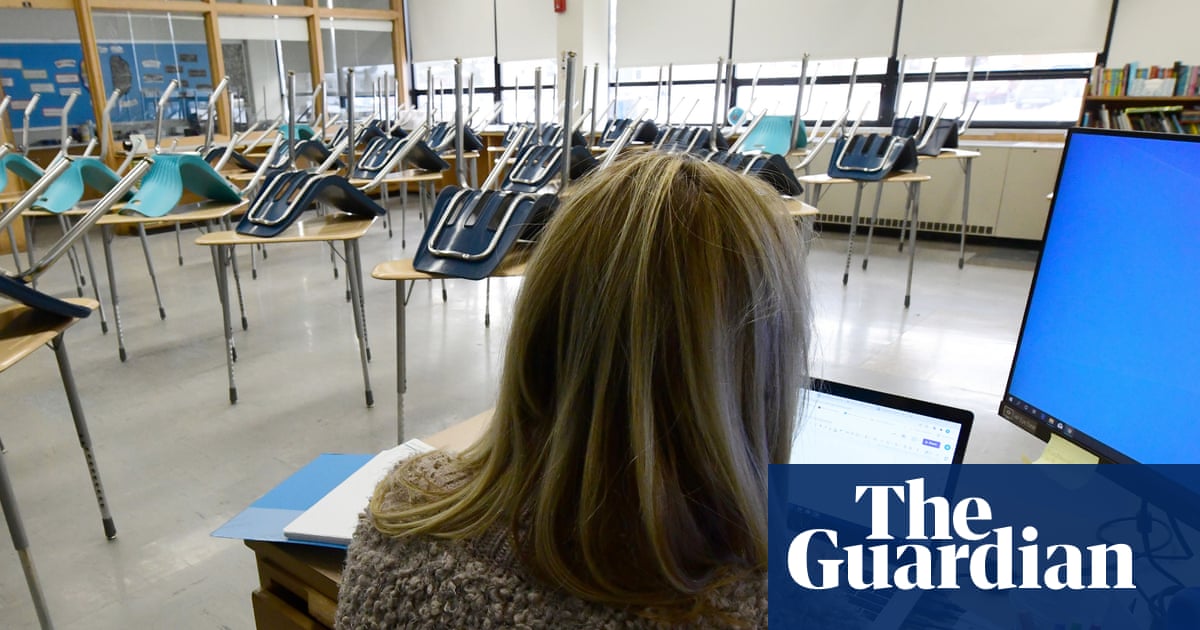
The Guardian seeks input from teachers and parents on AI's impact on school communications.
Russia and the US aim to obstruct negotiations for binding regulations on autonomous weapons at an upcoming UN conference, raising concerns over governance in AI warfare.
Nigel Farage's departure from the Telegraph highlights a shift towards AI-driven cost-cutting in journalism, raising concerns for the future of reporting.
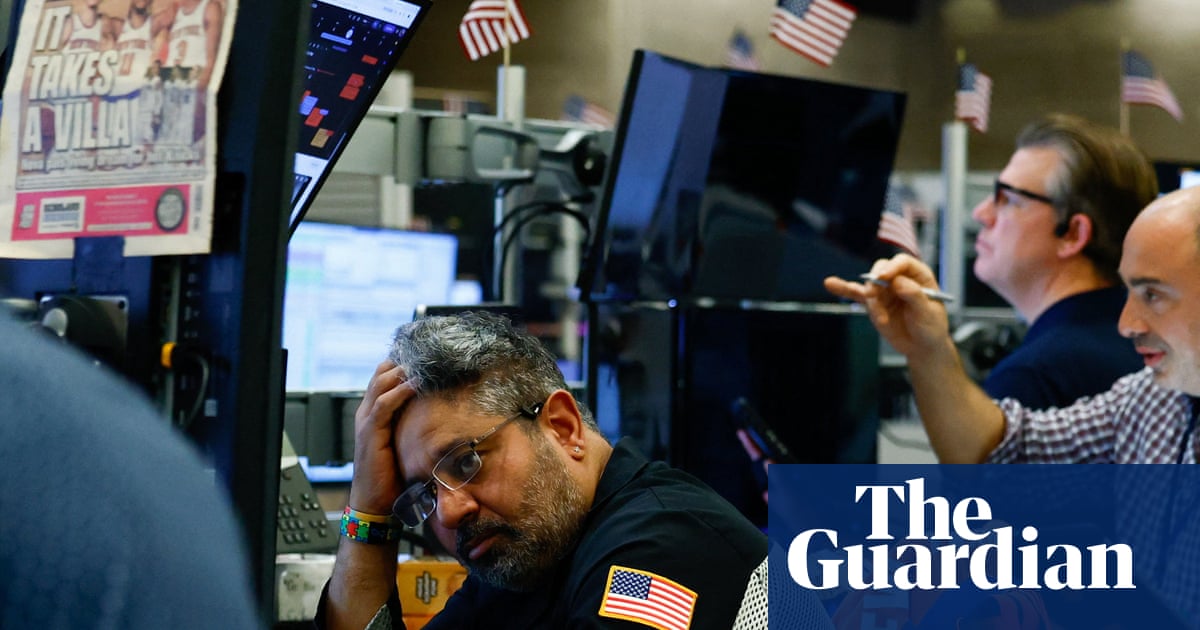
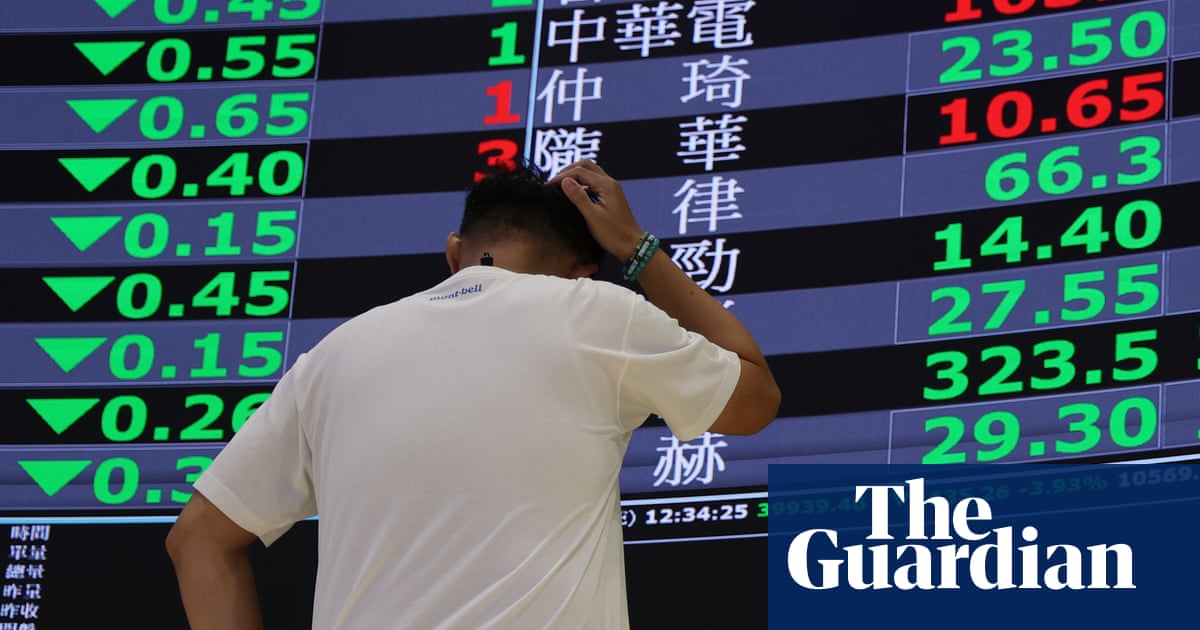
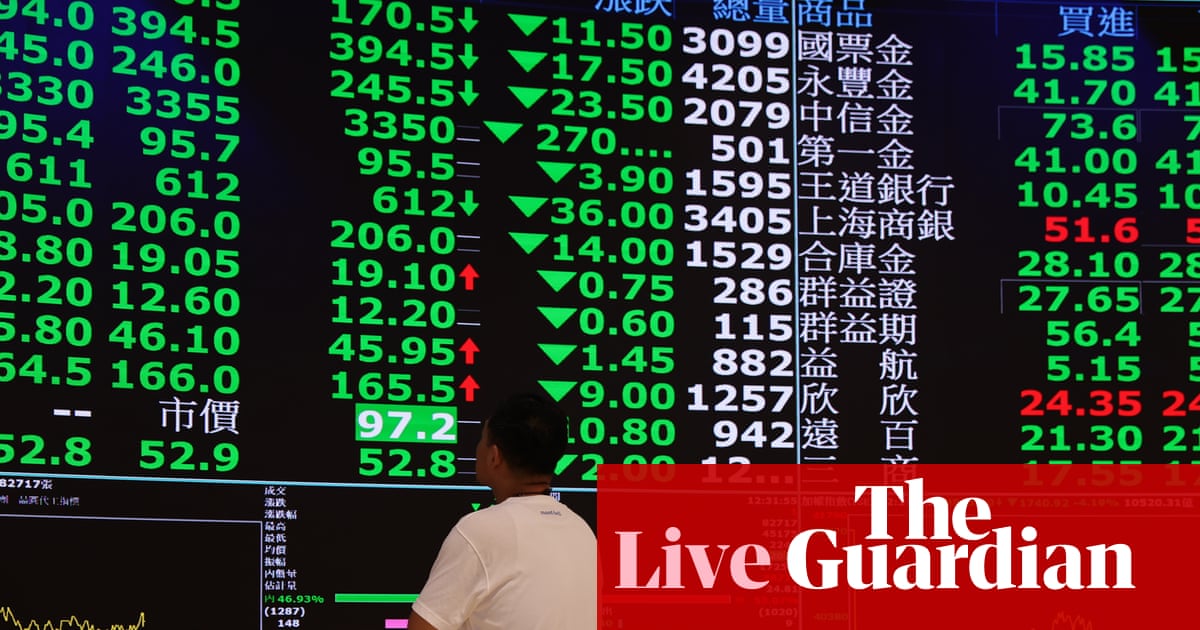
Global stock markets are experiencing significant declines, influenced by fears of an AI slowdown following the Democrats' election win.
Global stock markets fell sharply, driven by fears surrounding AI and political outcomes after the Democrats' midterm success.